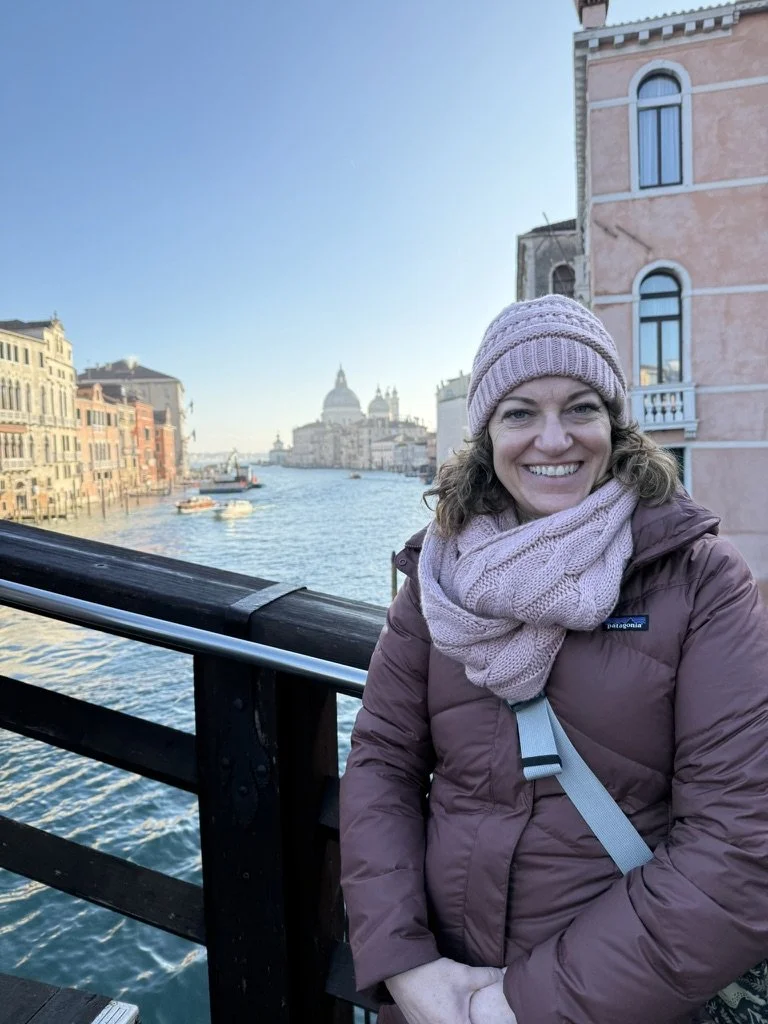
Sarah’s Story
The road that led to misogyneutics, doctoral research, and a whole lot of reconsidering.


I've always been searching for the right answer.
As a child, I thought the search was about avoiding mistakes. If I could just figure out the right thing to do, maybe everyone around me would be delighted with me. Maybe I could quiet the constant question that seemed to follow me everywhere:
Am I okay?
Anxiety arrived early in my life. Looking back, I don't remember a time before it. I spent countless nights awake, convinced it was somehow my responsibility to make sure my heart kept beating until morning. No one around me understood what was happening inside my head. I was simply "too sensitive," "too emotional," or "overreacting."
But anxiety wasn't the only thing shaping me.
I was also deeply curious.
Growing up in a military family meant attending nine different schools in four different states before graduating high school. Every move required me to learn new people, new places, and new versions of myself. I discovered that humor could open doors, music could quiet my mind, and horses gave me a place where determination mattered more than appearances.
Somewhere along the way, another belief quietly took root.
I began to believe that delight had to be earned.
Good grades. Accomplishments. Being useful. Making people laugh. If people admired me, maybe they wouldn't notice how hard I was working to stay afloat. I became very good at achieving—and very tired.
I graduated from Texas Tech University with a degree in Agricultural Economics and spent nearly twenty years riding, training, and competing horses before eventually running my own horse-training business. From the outside, my life looked successful. Inside, I was still chasing the same thing I had been chasing since childhood: certainty that I was doing life the right way.
When anxiety became impossible to ignore, I went looking for answers everywhere I could find them. Counseling. Meditation. Reiki. Crystals. Herbs. Books. Anything that promised peace. Some things helped for a season. None of them answered the deeper question I was really asking.
One afternoon, standing alone in a grocery store parking lot, I looked up and said,
"If You're there, show me."
I wasn't even sure who I was talking to.
A few months later, I walked into a church.
Meeting Jesus didn't instantly erase my anxiety or answer every question I had. It did something far better.
For the first time, I began to discover that my worth wasn't something I had to earn and that God's delight in me wasn't contingent on perfect performance.
Ironically, following Jesus didn't make me stop searching.
It changed how I searched.
For years, I believed faithfulness meant finding the right answers and never changing my mind. I assumed that reconsidering something I'd been taught meant my faith was weakening.
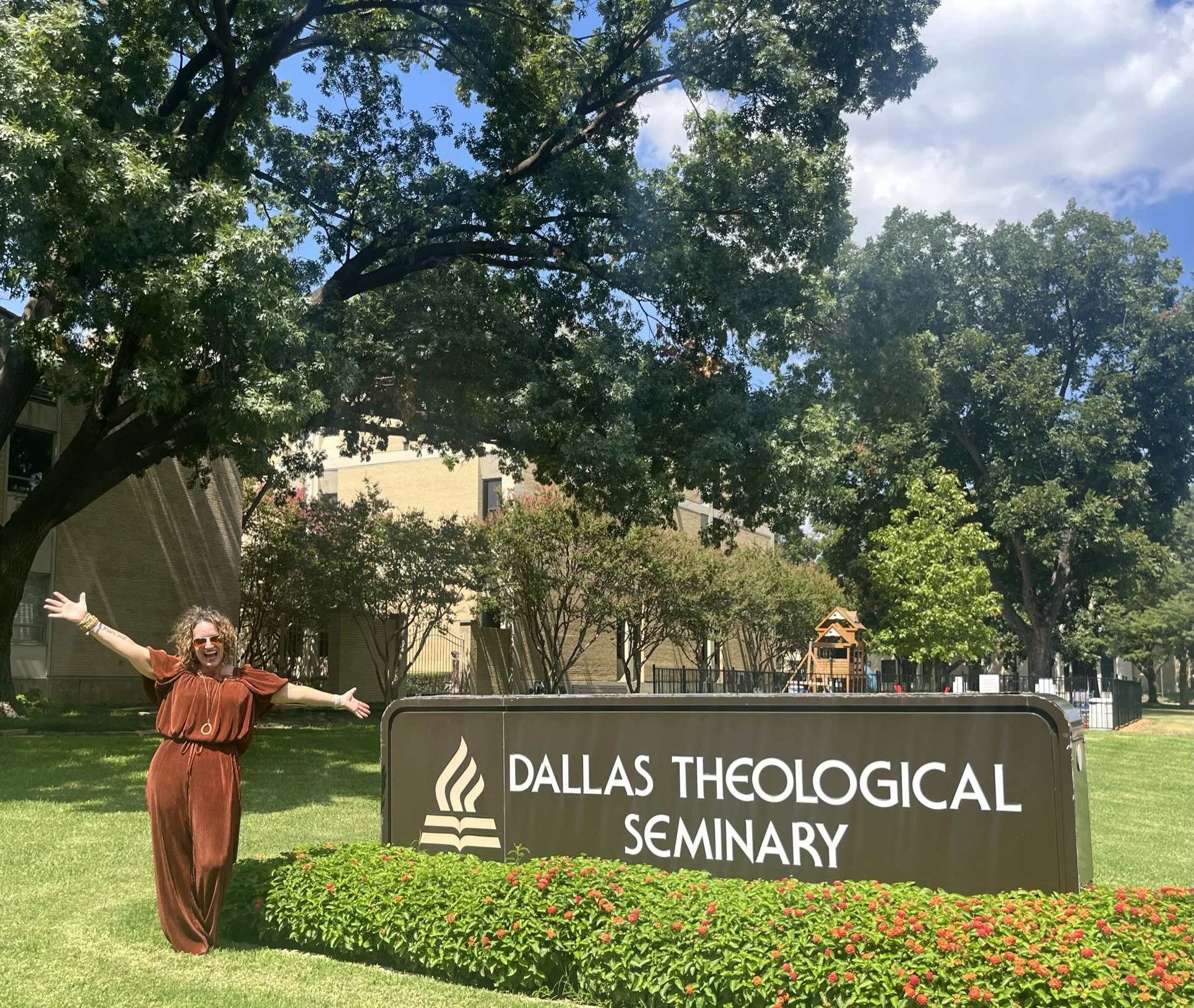
Then I went to seminary.
Studying hermeneutics, church history, and the biblical languages didn't make me love Scripture less. It made me love it enough to ask better questions. Again and again, I discovered that many of the conclusions I had inherited weren't the same thing as Scripture itself. They were interpretations—some strong, some weak, all shaped by faithful people trying to understand God's Word.
That realization didn't make me abandon my faith.
It invited me to reconsider my interpretations.
To me, reconsidering isn't walking away from Scripture.
It's returning to it.
It's the willingness to ask, "Have I been taught this because it's what the text says, or because it's how we've learned to read the text?"
I don't believe honest questions threaten Jesus. I think He often meets us there.
Then, in 2024, life asked me to reconsider something even deeper.
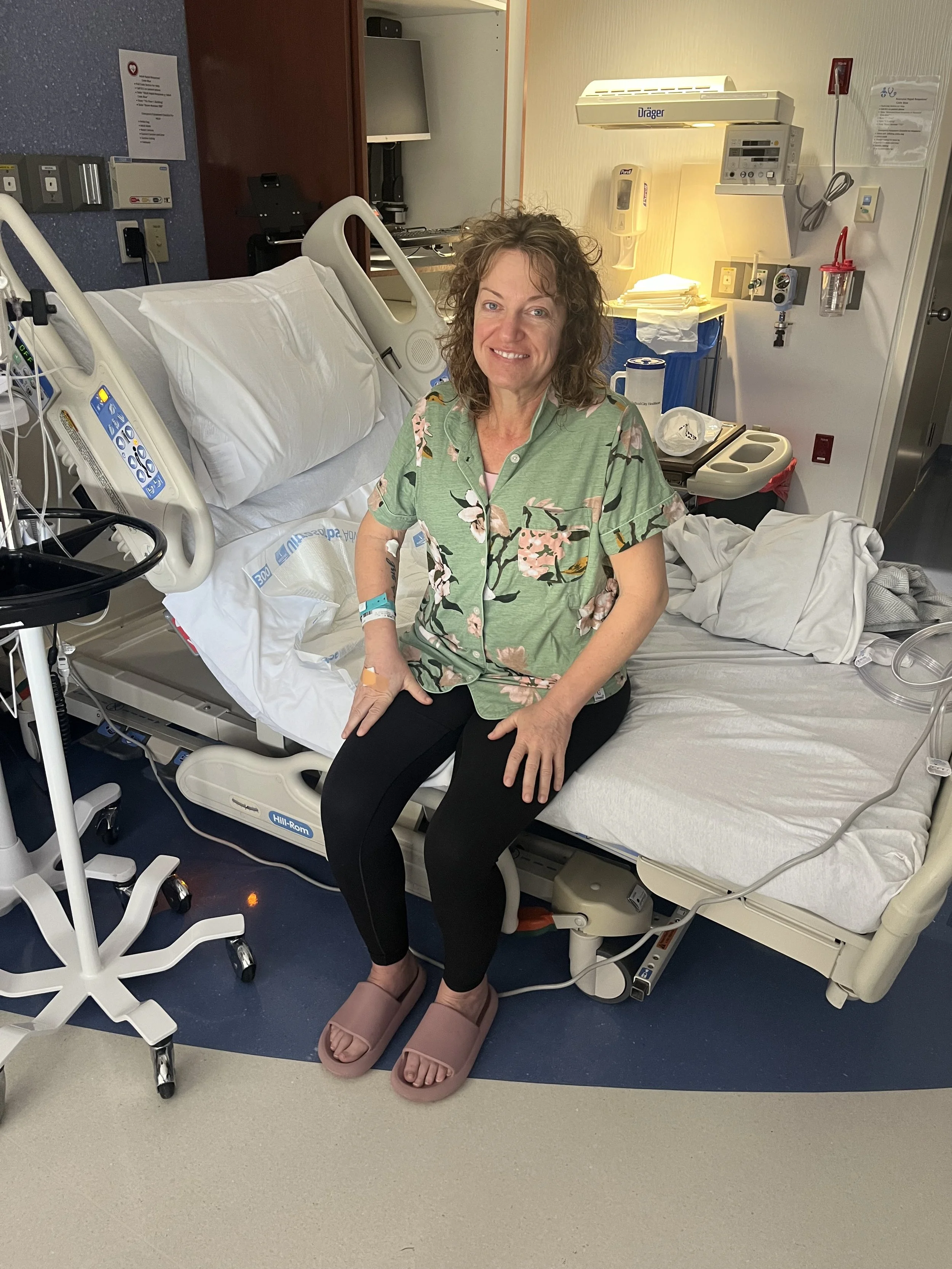
I was diagnosed with breast cancer.
Cancer has a way of stripping life down to what matters most. It exposes the stories we've been telling ourselves about control, certainty, productivity, and tomorrow. It certainly did for me.
Walking through cancer didn't make me question God's goodness.
It made me reconsider what it means to trust Him when I don't have the answers.
It reminded me that faith isn't confidence in my ability to figure everything out.
It's confidence in the One who holds me while I keep learning.
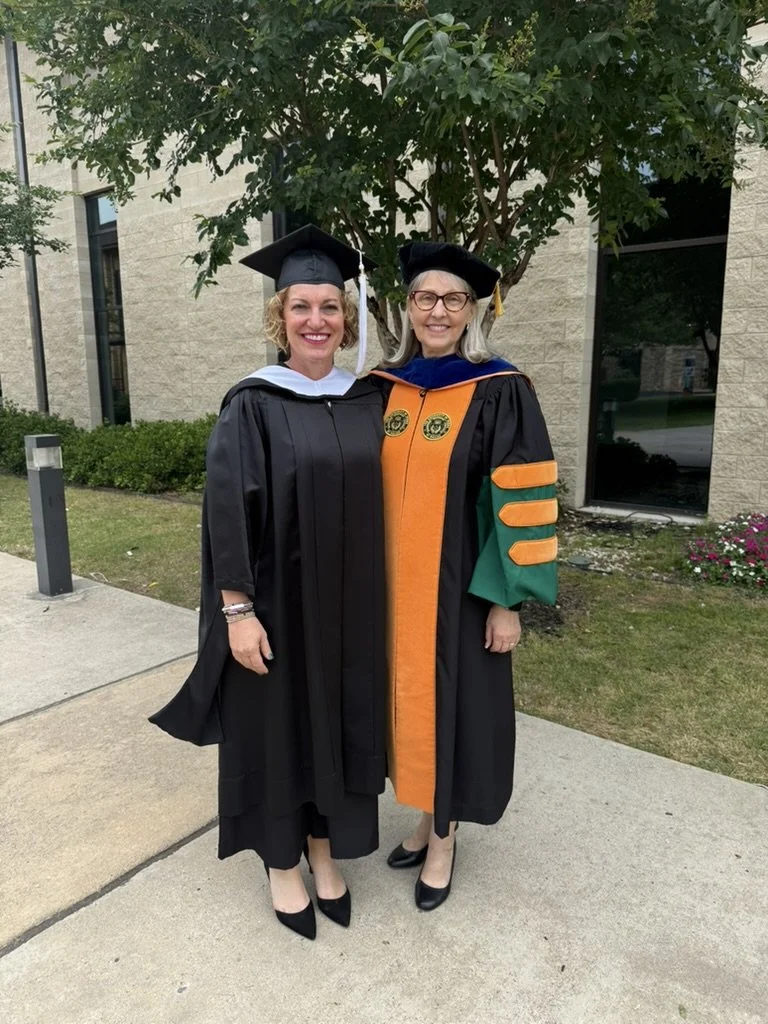
Today, I'm a theologian, writer, worship leader, and Doctor of Ministry student researching the ways interpretations can become so familiar that we mistake them for Scripture itself. My doctoral research explores how interpretive conclusions can become functionally unquestionable within evangelical culture and how the Church can cultivate more accountable, historically informed, and intellectually honest approaches to biblical interpretation.
Along the way, I coined the term misogyneutics to describe a pattern I kept encountering: reading misogynistic assumptions into Scripture and presenting those interpretations as though they were the plain meaning of the biblical text.
My work isn't about winning arguments.
It's about helping people distinguish between Scripture and our interpretations of Scripture so we can hold God's Word with deep conviction and our own conclusions with humility.
Looking back, I don't think God wasted any part of my story.
Not the anxiety.
Not the relentless questions.
Not the years I spent searching in the wrong places.
Not the horses.
Not the seminary classrooms.
Not even cancer.
The same heart that once desperately searched for certainty now finds joy in faithfully reconsidering what I've been taught.
I'm inviting you to reconsider some of the interpretations we've inherited—and to discover that asking honest questions can be one of the most faithful ways we pursue God's truth.
If you've ever wondered whether you're allowed to ask hard questions while holding tightly to Jesus...
You're in good company.
Welcome.